Home Page » Jet Home Exhaust Fan
Jet Home Exhaust Fan
Features
| Ventilator Model | Jet |
|---|---|
| Voltage (V) | 220 |
| Current (A) | 0.9 |
| Frequency (Hz) | 50 |
| Power (W) | 14 |
| Power Factor (PF) | 0.73 |
| Motor Speed (RPM) | 2578 |
| Maximum Static Pressure (Pa) | 16.2 |
| Maximum Airflow (m³/h) | 64 |
| Energy Efficiency Index (EEI) | 4.75 |
| Energy Label | - |
| IP | IP44 IP45 IP55 |
Tag: Jet Home Exhaust Fan
Category: Home Exhaust Fans
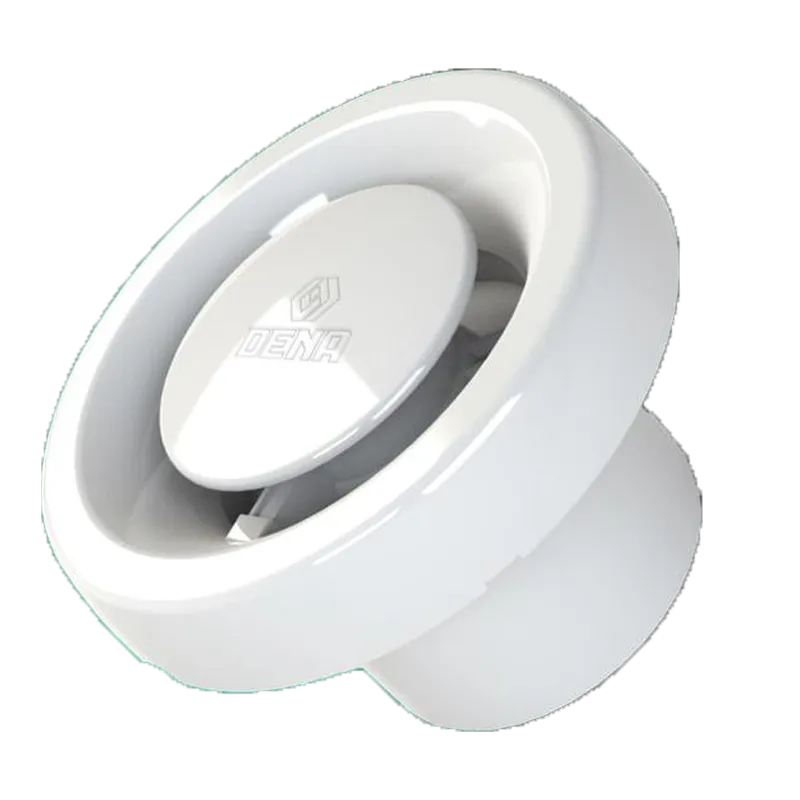
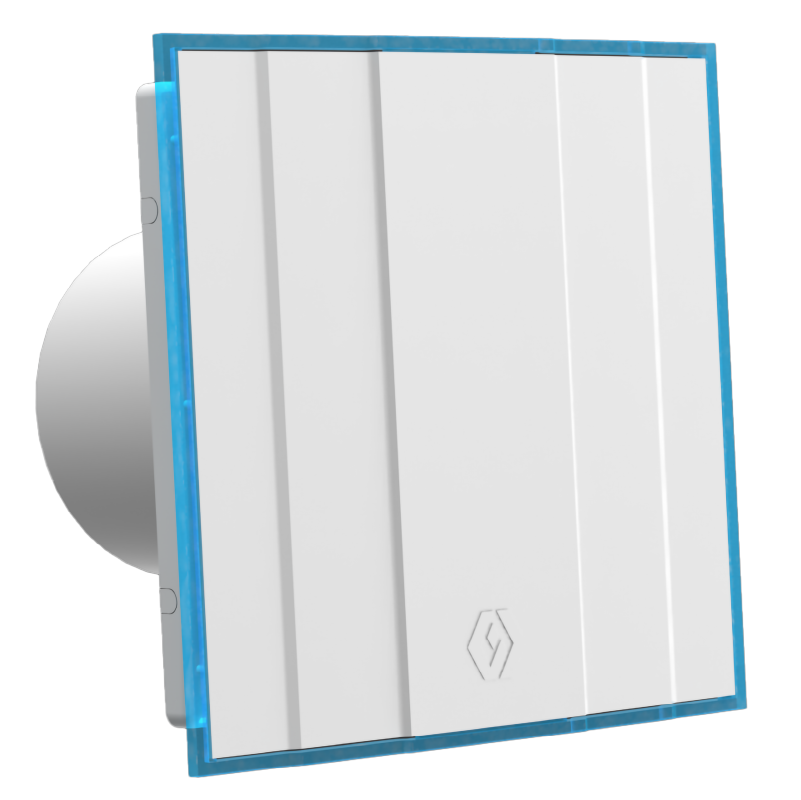
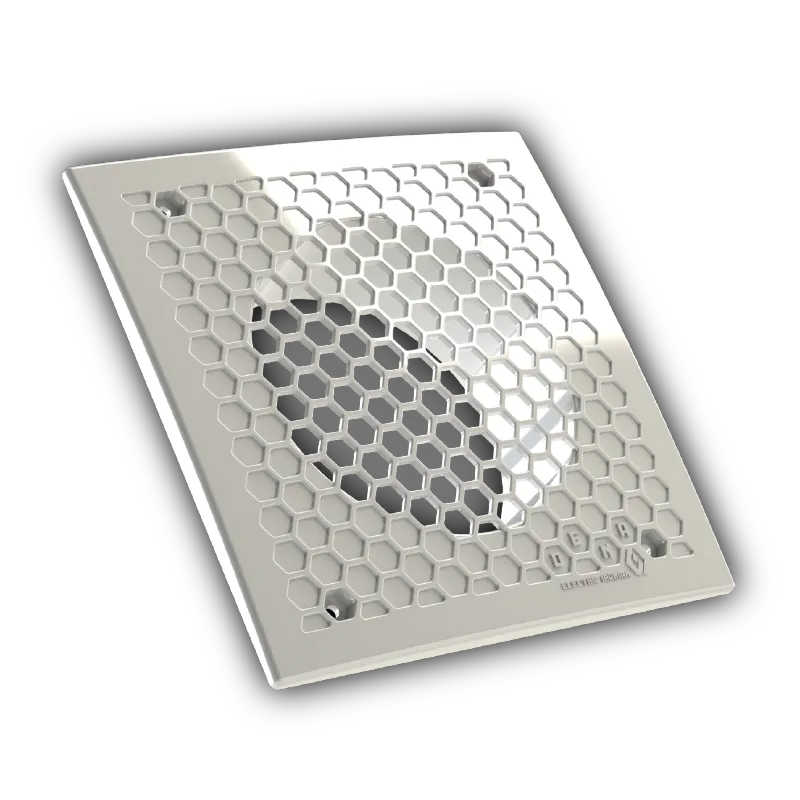
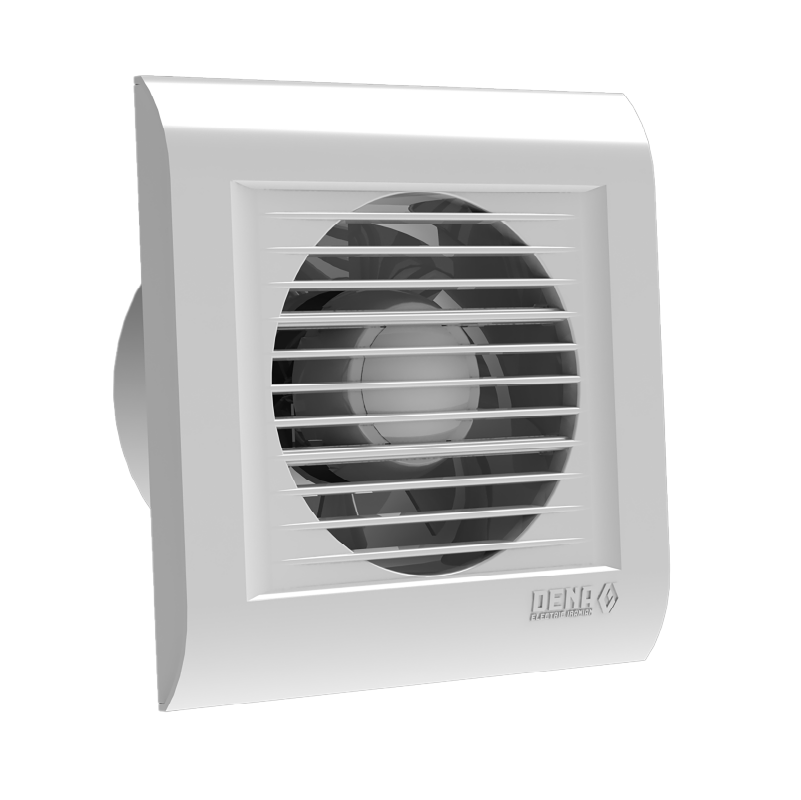
Jet Home Exhaust Fan – Efficient, Quiet, and Low-Power Ventilation
A home exhaust fan is a practical and energy-efficient device that plays an important role in ventilating your living space. By removing stale, humid, and warm air and replacing it with fresh air, it improves indoor air quality and creates a pleasant atmosphere. These fans are designed for small spaces such as kitchens, bathrooms, or interior rooms, helping to maintain your comfort and health.
The Jet Home Exhaust Fan operates at 220V and 0.9A, making it an ideal solution for refreshing and ventilating small spaces. With a power consumption of 14W and a power factor of 0.73, it provides low-energy, optimized performance. Its high-performance motor spins at 2578 RPM, delivering a maximum static pressure of 16.2 Pa and airflow up to 64 m³/h, ensuring rapid circulation of fresh and pleasant air.
With an energy index of 4.75 and IP44, IP45, and IP55 protection standards, the Jet fan combines high efficiency with durability and safety. It is suitable for installation in kitchens, bathrooms, and small home spaces, offering quiet and optimized air ventilation.
🔧 Key Features of Jet Home Exhaust Fan
Compact Design and Easy Installation: Can be installed on walls, ceilings, or windows.
Quiet and Energy-Efficient Operation: Low power consumption and minimal noise ensure a comfortable environment.
High Protection Standards: IP44, IP45, and IP55 ratings make it resistant to dust and moisture.
Optimal Energy Efficiency: Energy index 4.75 ensures effective performance.
🧰 Maintenance Tips for Jet Home Exhaust Fan
Regular Cleaning of Blades and Cover: Clean blades and the front cover every 2–3 months with a damp cloth or soft brush to prevent dust accumulation, which reduces performance and increases energy consumption.
Check Wiring and Connections: Inspect wires and plugs monthly for cuts, corrosion, or looseness. Seek a professional electrician if any damage is found.
Motor Shaft Lubrication (if needed): If unusual noise or vibration occurs, the motor shaft may need lubrication. Use oil specifically designed for electric motors.
Ensure Proper Ventilation Around the Fan: Avoid installation in extremely hot, humid, or steamy areas (like above stoves). Maintain at least 10 cm of free space around the fan for airflow.
Turn Off When Not in Use for Long Periods: Unplug the fan during extended absences to prevent electrical damage from voltage fluctuations.
Annual Performance Check: Inspect the fan once a year. Unusual noise, odors, or difficulty starting may indicate maintenance is required.
⚡ Pro Tip:
To extend the fan’s lifespan:
“Always perform regular cleaning and maintenance; dust is the main enemy of electric motors.”
Bring modern Dena-style ventilation into your home with Jet Home Exhaust Fans. For support and after-sales service, visit the official Dena Service website.
🏠 Applications of Jet Home Exhaust Fan
Bathrooms and Restrooms
Jet fans are ideal for bathrooms and restrooms due to their ability to quickly remove moisture and unpleasant odors.
Kitchens
With high airflow capacity, these fans quickly eliminate cooking odors and smoke, creating a pleasant and clean environment.
Offices and Workspaces
In work environments, Jet fans help improve air quality and reduce indoor pollutants.
Restaurants and Shops
For commercial and public spaces, these fans provide effective ventilation with suitable design and performance.
Small Industrial Areas
In workshops and small industrial spaces, Jet fans contribute to proper ventilation and help reduce air pollution.