
Fuse Box
The fuse box is one of the most important components of any building’s electrical system. Its main function is to protect electrical circuits from overcurrent or short circuits. In fact, this component acts like a smart guardian, constantly monitoring and safeguarding the health of your home’s electricity.
Whenever the electrical current exceeds the allowed limit (for example, due to simultaneous use of multiple high-consumption devices or a short circuit in the wires), the fuse box reacts immediately and cuts off the power flow. This action protects the wiring, electrical appliances, and even the building from damage and fire.
Simply put, without this component in the electrical system, even the smallest fault in a circuit could cause significant damage to electrical equipment and even endanger lives.
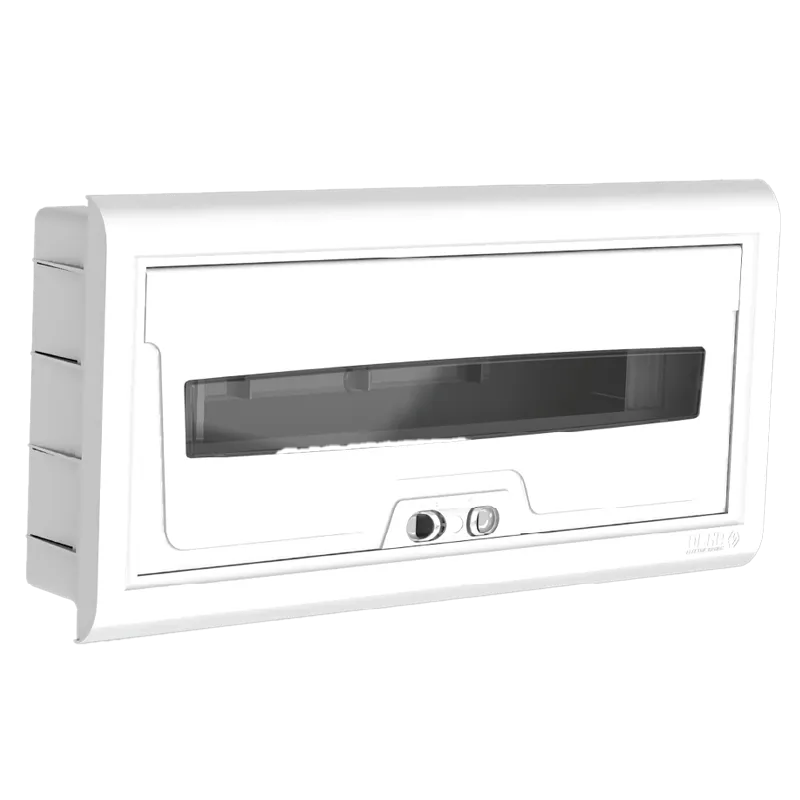
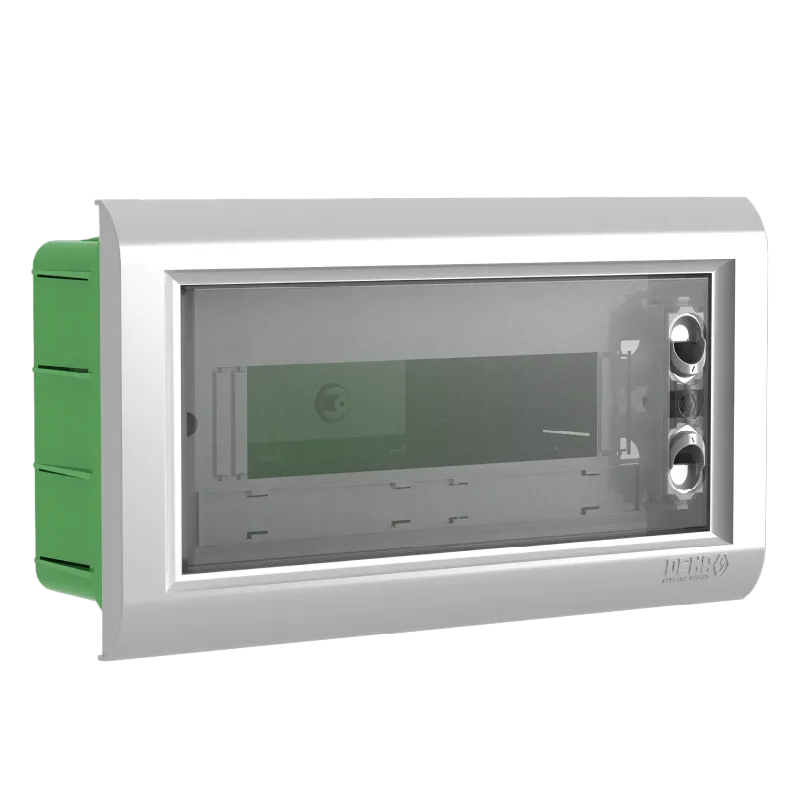
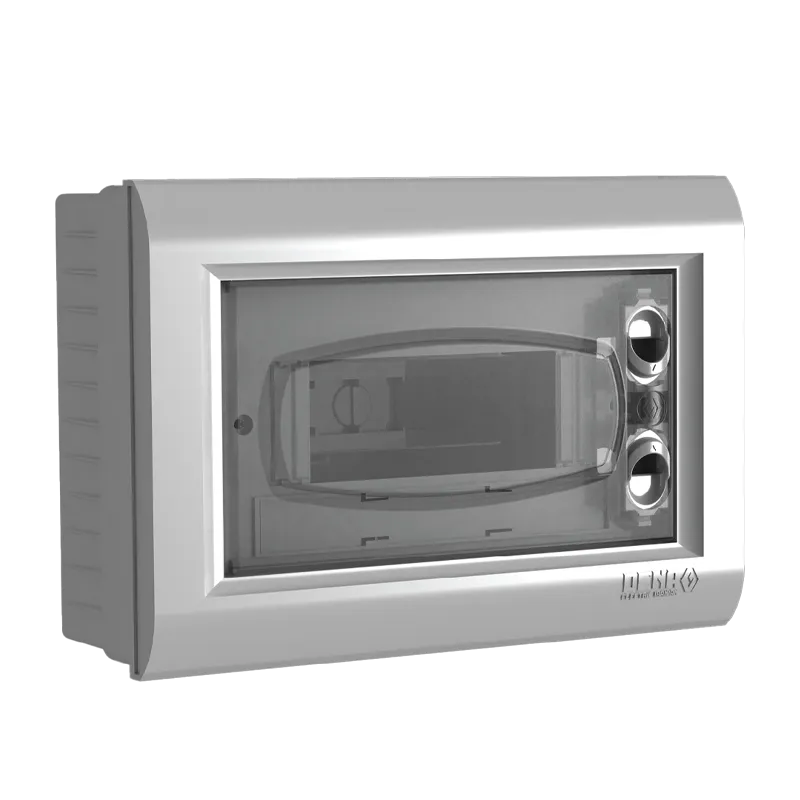
With years of experience in the electrical industry, Dena Electric produces three types of high-quality, standard fuse boxes:
Sistma Built-in Fuse Box: Ideal for indoor spaces with a safe and attractive design, protecting electrical circuits from overloads and short circuits.
Sistma Plus Built-in Fuse Box: An advanced version with additional features, higher durability, and more precise performance, suitable for residential, office, and industrial buildings.
Shark Surface-Mount Fuse Box
All Dena Electric products are manufactured according to modern global standards to ensure building electrical safety, durability of electrical devices, and user comfort.
Why is a fuse box essential in every building?
Having a fuse box is one of the most important principles of electrical system safety. A standard fuse box protects electrical circuits from voltage fluctuations, short circuits, and overcurrent. It plays a vital role in building electrical safety, preventing financial loss and harm to people.
Without a fuse box or with a substandard one, even a small fluctuation or short circuit can damage appliances, cause wiring fires, or even electrocute individuals. A high-quality, reliable fuse box greatly reduces these risks.
The role of the fuse box in prolonging the life of electrical devices
One of the most important advantages of using a fuse box or miniature circuit breaker panel is extending the lifespan of electrical appliances. Installing a standard fuse panel quickly cuts off electricity in dangerous situations, protecting devices such as TVs, refrigerators, air conditioners, and washing machines. This safety measure increases household security and significantly reduces repair and replacement costs for electrical appliances.
Types of Fuse Boxes Used in Buildings
Nowadays, fuse boxes are designed and manufactured in various types to meet the diverse needs of residential, office, and industrial buildings. Choosing the right distribution board or fuse box directly affects the safety, aesthetics, and efficiency of a building’s electrical system. Here are the most common types:
🔌 1. Miniature Circuit Breaker Box (MCB Box)
The miniature circuit breaker box is one of the most widely used models in residential buildings. This type of fuse box uses miniature circuit breakers (MCBs) and quickly disconnects the circuit in case of a sudden increase in electrical current, preventing potential hazards such as fire or damage to electrical equipment.
Key features of the MCB box:
Fast and precise response to overcurrent situations
Suitable for secondary and home circuits
Easy installation and maintenance
Long lifespan and resistance to heat and moisture
For these reasons, this type of fuse box is an ideal option for home and apartment electrical safety.
🏠 2. Flush Mounted Distribution Box
The flush mounted distribution box is designed for indoor spaces and is installed inside walls. This model provides high safety while giving a neat and attractive appearance, as only its door is visible and the other components are hidden inside the wall.
Advantages of flush mounted boxes:
Aesthetic design that matches interior décor
High safety against direct contact and dust
Suitable for residential and office units
If you are looking for a combination of safety, order, and modern appearance, the flush mounted distribution box is the best choice.
⚙️ 3. Surface Mounted Distribution Box
The surface mounted distribution box is mainly used in industrial environments, workshops, parking lots, and places where flush mounting is not possible. In this type, the fuse box is installed on the wall, and all components are accessible.
Key advantages of surface mounted boxes:
Easy and quick installation: No wall demolition or cutting is needed, saving significant time and cost.
Easy access for maintenance: All internal components are exposed, allowing technicians to easily access fuses and connections.
High resistance to environmental conditions: Particularly metal or waterproof models are resistant to moisture, dust, and temperature fluctuations, making them ideal for open environments.
If your installation site is in industrial areas, warehouses, parking lots, or open spaces, using a metal or waterproof surface mounted distribution box is the best choice for maintaining electrical safety and system durability.
Main Components of a Fuse Box and How It Works
The fuse box is one of the most vital components of a building’s electrical system, housing a collection of parts and devices designed to protect electrical circuits from fluctuations, overloads, and short circuits. Understanding the components of a fuse box helps you make better decisions when selecting, installing, or troubleshooting.
⚡ 1. Circuit Breaker (MCB)
The most important part of any residential fuse box is the miniature circuit breaker (MCB). This smart device detects excessive current or short circuits. When the current exceeds the allowed limit, the breaker automatically disconnects the circuit, preventing damage to electrical appliances and wiring.
Key features of MCBs:
Fast response to overcurrent
Can be reset after tripping
Easy installation on the dedicated DIN rail inside the fuse box
Long lifespan and heat-resistant
In simple terms, the MCB is the heartbeat of the household fuse box, ensuring the safety of the entire electrical system.
🔌 2. Terminals and Internal Wiring
Terminals are the connection points between the main incoming power and the building’s outgoing circuits. They safely and efficiently distribute electricity across the electrical system.
Proper design and installation of internal wiring are crucial because even a minor mistake or using inappropriate wires can cause sparks, overheating, or short circuits. Using standard, well-insulated wires with appropriate thickness prevents excess heat and extends the lifespan of the fuse box and other electrical devices.
In short, terminals and internal wiring are the main arteries of the fuse box, delivering electricity safely and efficiently to all parts of the building.
🧱 3. Enclosure (Fuse Box Body)
The enclosure physically protects all internal components. It is usually made of galvanized metal or heat- and moisture-resistant plastic. A locked and insulated door prevents direct contact with electricity, reducing the risk of electric shock.
Features of a standard fuse box enclosure:
Resistant to heat, impact, and corrosion
Equipped with a secure lock or cover to prevent unauthorized access
Aesthetic design compatible with interior décor (for flush-mounted models)
⚙️ 4. Auxiliary and Protective Devices
Modern distribution boards often include additional protective devices for maximum electrical safety, such as:
RCCB (Residual Current Circuit Breaker): Prevents electric shock in case of current leakage
Surge Protector: Protects electrical devices from voltage spikes
Main Switch: Cuts off electricity entirely in emergencies
These devices, along with the main breakers, turn the fuse box into a smart and safe control center.
How the Fuse Box Works
Under normal conditions, the fuse box distributes electricity evenly across different circuits in the building, including lighting, outlets, and appliances. Everything operates safely until a problem occurs.
If there is a sudden increase in current (overload) or a short circuit, the breakers inside the fuse box quickly disconnect the faulty circuit. This automatic response prevents dangerous current from flowing and protects other parts of the electrical network.
After resolving the issue, the MCB can be reset to restore power. In older models, the fuse must be manually replaced.
This fast and precise operation prevents accidents such as fires, electric shocks, and damage to electrical appliances, ensuring the complete safety of the building’s electrical system.
🔌 For fuse box support or urgent service requests, contact Dena Service now, and our experts will resolve your issue in the shortest possible time.
With years of experience in designing and manufacturing electrical equipment, Dena Electric proudly stands as one of the leading producers of high-quality, standard fuse boxes in Iran.
Relying on technical expertise, global quality standards, and innovative design, we offer products that deliver safety, durability, and aesthetic appeal all at once.
✨ With Dena Electric, take a confident step toward a modern future, the Dena way.