Home Page » RCCB Residual Current Circuit Breaker
RCCB Residual Current Circuit Breaker
Features
| Abbreviation | Residual Current Circuit Breaker |
|---|---|
| Standard | Compliant with EN/IEC61008 and Iran National Standard 1-6700 | CE Certified for European Quality Assurance |
| Protection | Earth Leakage |
| Number of Poles | Double-Pole – Four-Pole |
| Operating Voltage | 230/400 V |
| Surge Voltage | 4000 V |
| Rated Current | 63-50-40-32-25-20-16 A |
| Rated Conditional Short-Circuit Current | 6000 A |
Category: Residual Current Protection
RCCB Residual Current Circuit Breaker – A Safe Solution for Protecting People and Equipment
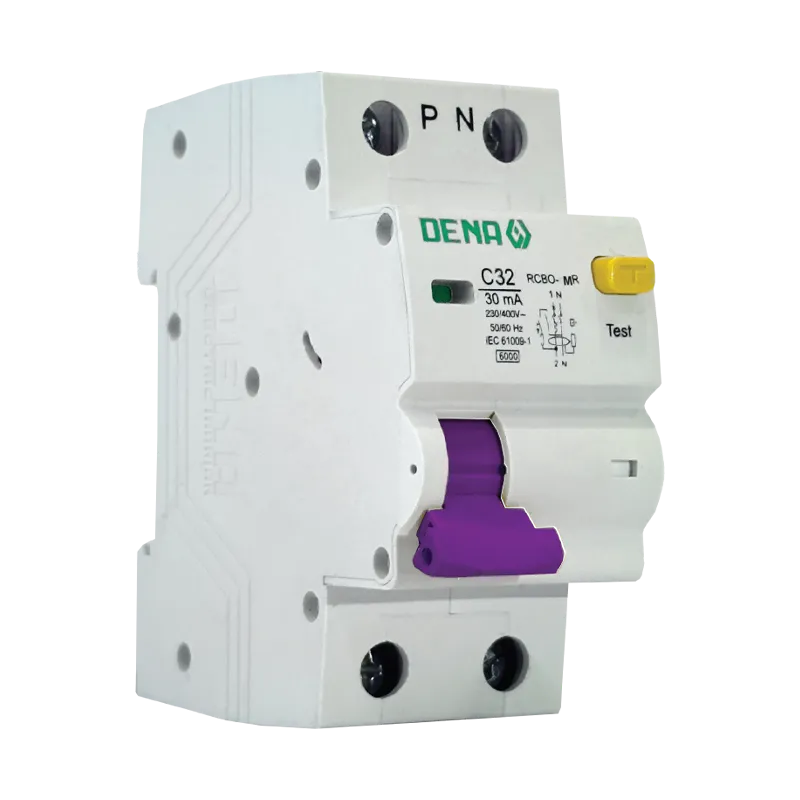
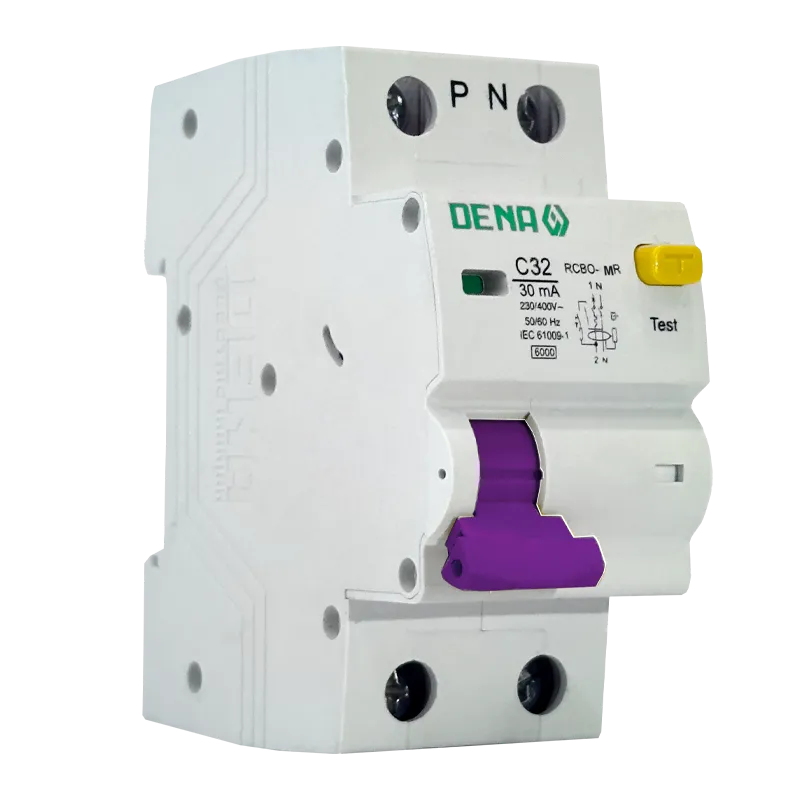
The RCCB (Residual Current Circuit Breaker) is a vital device in electrical systems, designed to protect against earth leakage currents. It can detect leakage currents to the ground and disconnect the circuit within milliseconds, which is crucial for preventing electric shocks and reducing fire hazards.
This RCCB is manufactured according to the international standard EN/IEC61008 and Iran’s national standard 1-6700, and holds the European CE quality certification, ensuring high quality and compliance with global safety standards.
Features of RCCB – Safety, Performance, and Durability in One Device
Leakage Current Protection: The RCCB is specifically designed to detect and cut off leakage currents, minimizing the risk of electric shock and electrical accidents. This protection is essential for homes, industrial environments, and sensitive equipment.
Poles and Applications: Available in double-pole and four-pole versions, the double-pole is suitable for single-phase circuits, and the four-pole for three-phase systems, making it adaptable to various residential, industrial, and commercial needs.
Operating Voltage: Designed for 230/400V, suitable for residential, office, and industrial networks, ensuring stable and safe operation under normal conditions.
Surge Voltage: Rated at 4000V, indicating resistance to voltage spikes, ensuring durability and protection of circuits and equipment.
Rated Current: Available from 16A to 63A, allowing selection according to the load requirements of the circuit, suitable for homes, workshops, and small to medium industries.
Rated Conditional Short-Circuit Current (IF): Capable of withstanding up to 6000A, ensuring the device remains operational under transient and short-circuit conditions, enhancing safety and reducing risks from power fluctuations.
Maintenance Tips for RCCB:
Periodic Function Testing: Test the RCCB monthly using its test button to simulate leakage current and verify proper disconnection.
Protection Against Dust and Moisture: Install in a clean, dry environment; for industrial or humid areas, use IP-rated enclosures.
Check Connections and Terminals: Inspect terminal screws and wiring periodically to avoid voltage fluctuations, overheating, or damage.
Avoid Overload: Ensure the load does not exceed the RCCB’s rated current; use MCBs or fuses for additional protection if necessary.
Proper Installation: Must be installed by a qualified technician according to electrical standards to ensure correct operation.
Timely Replacement: Replace immediately if the RCCB fails functional tests or shows irregular behavior.
Avoid Mechanical Damage or Tampering: Protect the device from shocks, pressure, or unauthorized tampering, which can affect sensitivity and operation.
By following these simple yet essential steps, the RCCB’s lifespan is maximized, ensuring reliable performance in emergencies. With Dena RCCBs, experience safety, trust, and modern technology.
For support, expert consultation, or after-sales service, visit our official Dena Service website or call 1879.
Applications of RCCB Residual Current Circuit Breaker
The RCCB (Residual Current Circuit Breaker) is a vital protective device in electrical systems, designed to safeguard both human life and electrical equipment. Its main applications in industries, buildings, and residential use are as follows:
Protection against electric shock:
One of the primary functions of an RCCB is to prevent electric shock caused by earth leakage. The device quickly disconnects the circuit upon detecting leakage current, preventing serious injuries. RCCBs are widely installed in homes, schools, hospitals, and other public spaces.
Protection of electrical equipment:
RCCBs prevent damage to sensitive electronic and electrical devices. By quickly disconnecting leakage current, they protect household appliances, electric motors, and industrial machines.
Use in single-phase and three-phase networks:
Depending on double-pole or four-pole configurations, RCCBs can be used in both single-phase and three-phase circuits, suitable for residential buildings, offices, workshops, and industrial facilities.
Use in wet or hazardous environments:
In high-humidity areas such as bathrooms, pools, industrial kitchens, and workshops, the risk of electric shock increases. RCCBs act as effective safety devices, quickly cutting off leakage currents caused by contact with water or moisture, preventing accidents.
Combination with other protective devices:
RCCBs are often installed alongside fuses and miniature circuit breakers (MCBs) to provide protection not only against leakage current but also against overloads and short circuits, enhancing overall system safety.
Use in industrial and commercial systems:
In industrial and commercial facilities, RCCBs protect machinery, sensitive equipment, and personnel. They are especially crucial in workshops, factories, laboratories, and production halls where leakage current risks are high.